

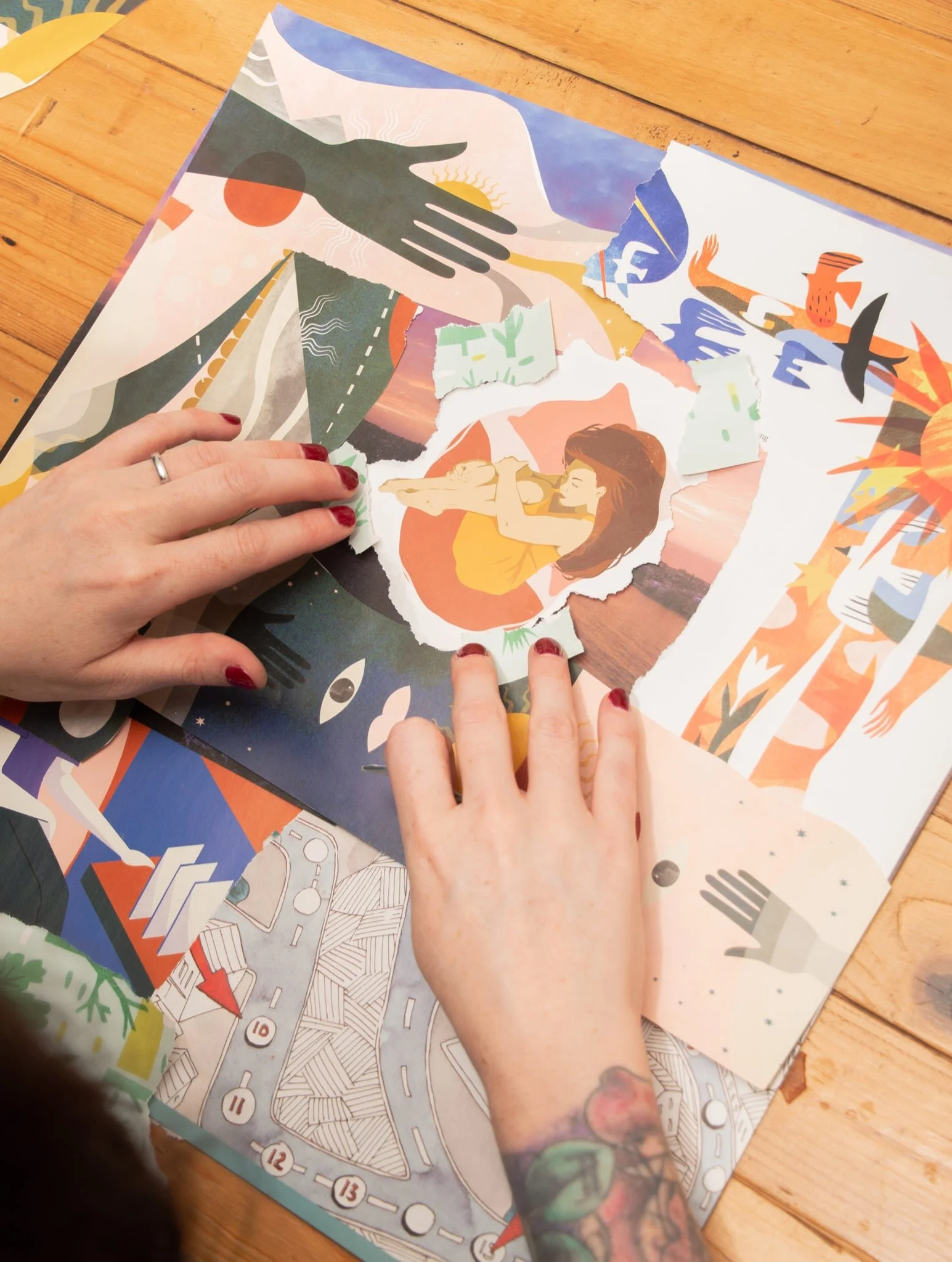
“Art speaks where words are unable to explain.”
Welcome to Embody You Expressive Therapies
We believe in exploring all aspects of one’s self to form an integrative approach to healing.
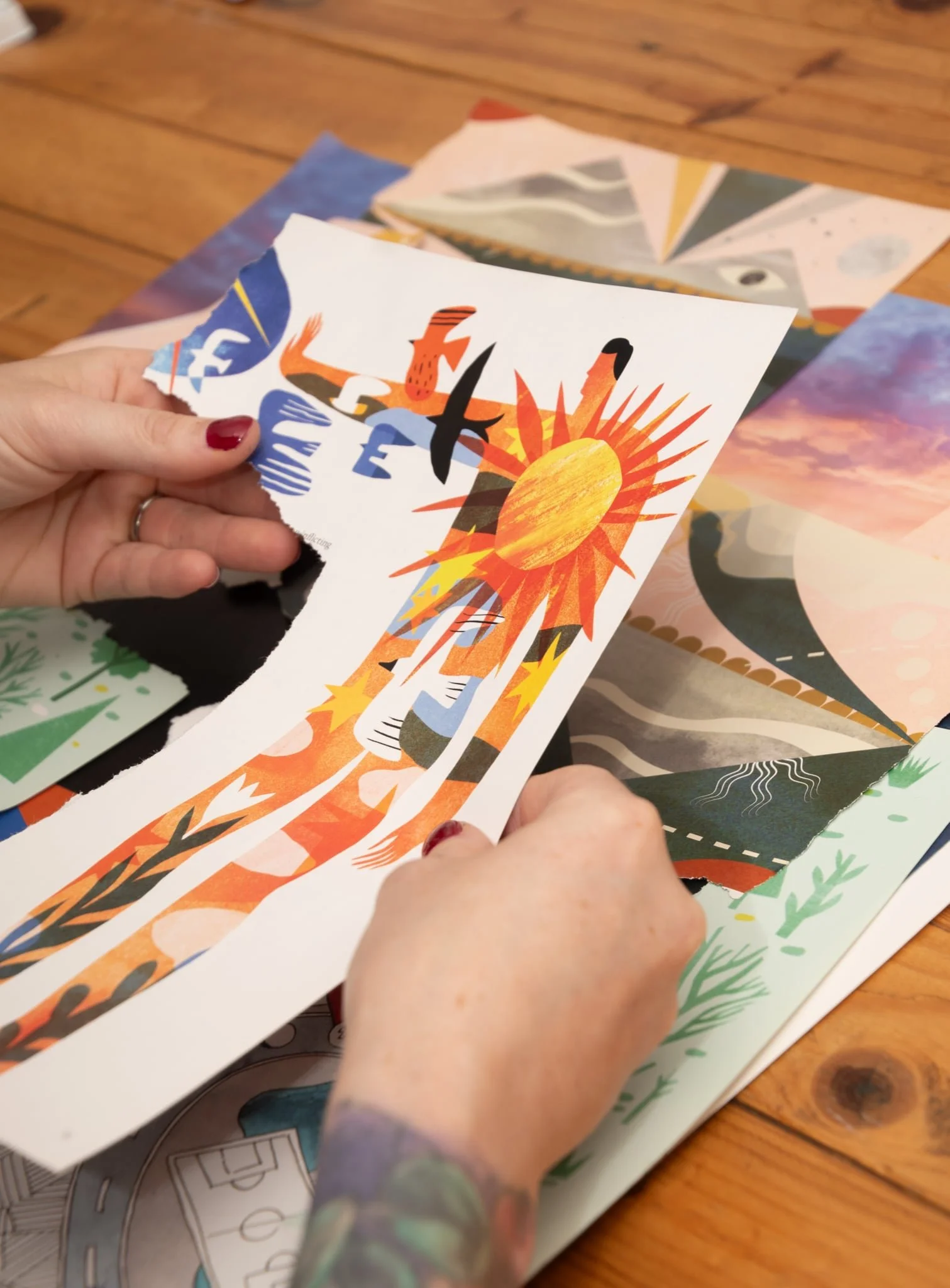
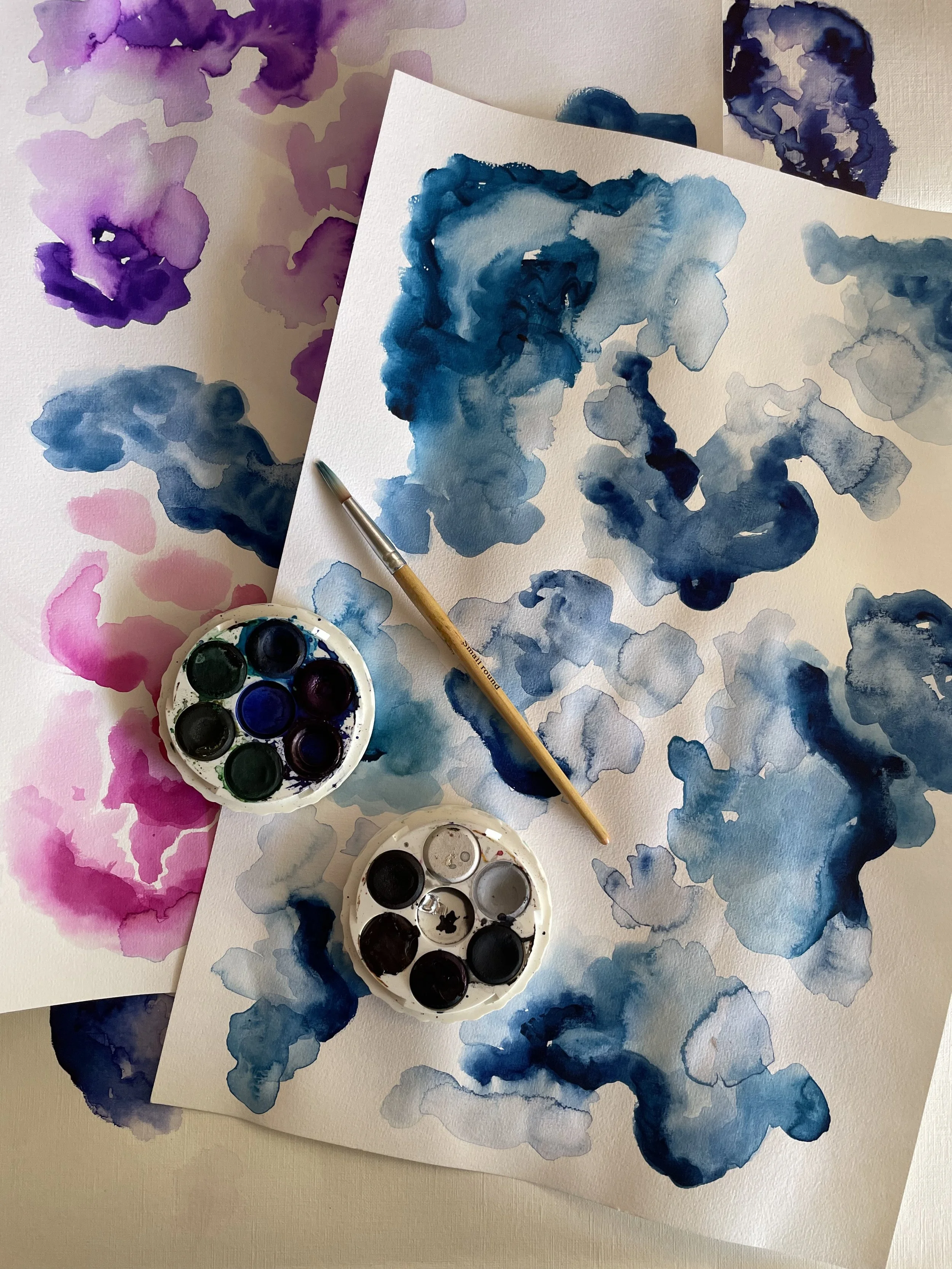
Art therapy is a form of psychotherapy that uses creative processes such as drawing, painting, collage or sculpture as the therapeutic modality.
Art therapy offers a multitude of benefits that can enhance emotional, mental and physical well-being and offers an alternative to traditional talk therapy by using creative expression to explore inner experiences.
Working with images, symbols, and materials allows subconscious thoughts and emotions to surface safely and be understood with support.
No artistic skill is required, only an openness to the process. Through creative exploration and reflective conversation, we work together to build insight, resilience, and emotional wellbeing at a pace that feels safe for you.
What experiences can be explored through Art Therapy?
Depression and low mood
Anxiety and chronic stress
Mood disorders
Self harm and Suicidal thoughts
Trauma and Complex Trauma
Addiction and recovery
Eating disorders
Grief, loss and life transitions
Neurodivergence and emotional regulation
LGBTQIA+ experiences
Self-esteem, shame and identity
Emotional regulation and attachment patterns
Growth, resilience and meaning-making
Relationship break downs and divorce
What can Art Therapy help me achieve?
Identify feelings you may struggle to name
Express complex or overwhelming emotions safely
Externalise emotions instead of holding them internally
Ways to tolerate distress and strong emotions
Strategies for grounding, self-soothing, and emotional release
Greater awareness of personal patterns and triggers
Exploration of identity, values, and lived experience
Understanding how past experiences influence the present
Safe ways to process experiences without re-traumatisation
How to work with the body, memory, and emotions together
Increased capacity to stay present while exploring difficult material