

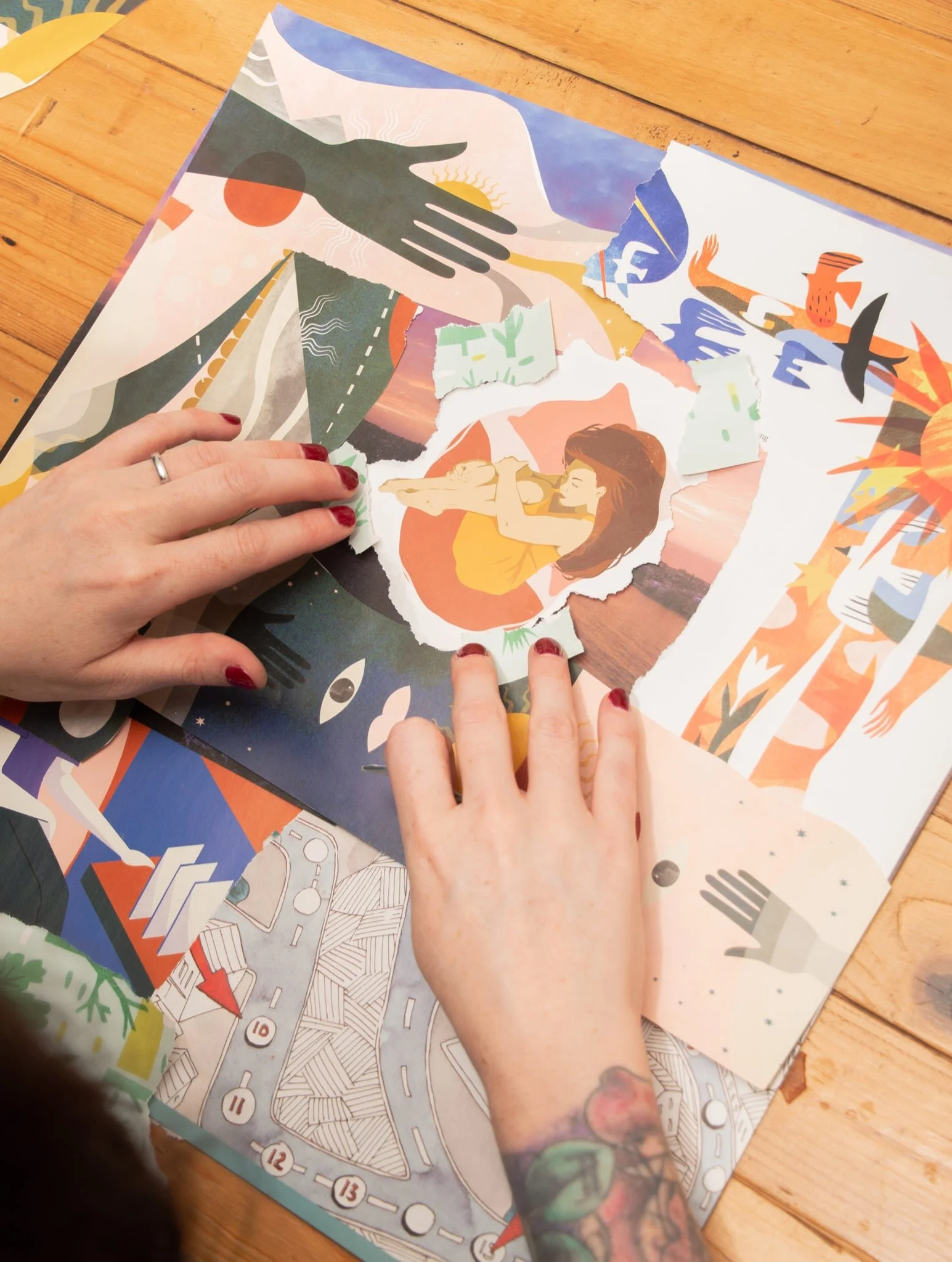
"Art speaks where words are unable to explain."
Welcome to Embody You Expressive Therapies
Offering in person counselling and expressive therapy sessions less than 30 minutes from Wollongong in Thirroul on alternating Saturdays from 9am - 5pm and online appointments Australia wide.
We incorporate a sensory approach to therapy, supporting you to move beyond simply thinking about your experiences and gently come into connection with how they are felt and held within the body and staying curious to the creative process.
Expressive therapy is a type of psychotherapy that uses materials such as drawing, painting, collage, clay, movement and other forms of creativity that can help us communicate and externalise what we are experiencing.
Our approach is person-centred, trauma-informed and non-pathologising. You are always supported to move at a pace that feels right for you, with choice and autonomy at the centre of the therapeutic process.
You don’t need to consider yourself creative or have any experience with expressive therapy. Our focus is on the creative process itself as it is unfolding, what you notice, feel and the meaning you make through the process of creating.

What experiences can be explored through expressive therapy?
Depression and low mood
Anxiety and chronic stress
Trauma and complex trauma
Addiction and recovery
Grief and loss
Neurodivergence and emotional regulation
LGBTQIA+ experiences
Self-esteem, shame and identity
Attachment patterns
Growth, resilience and meaning-making
Relationship break downs
Internal narratives and belief systems
Life transitions and changes
Complex memories
Inner conflicts
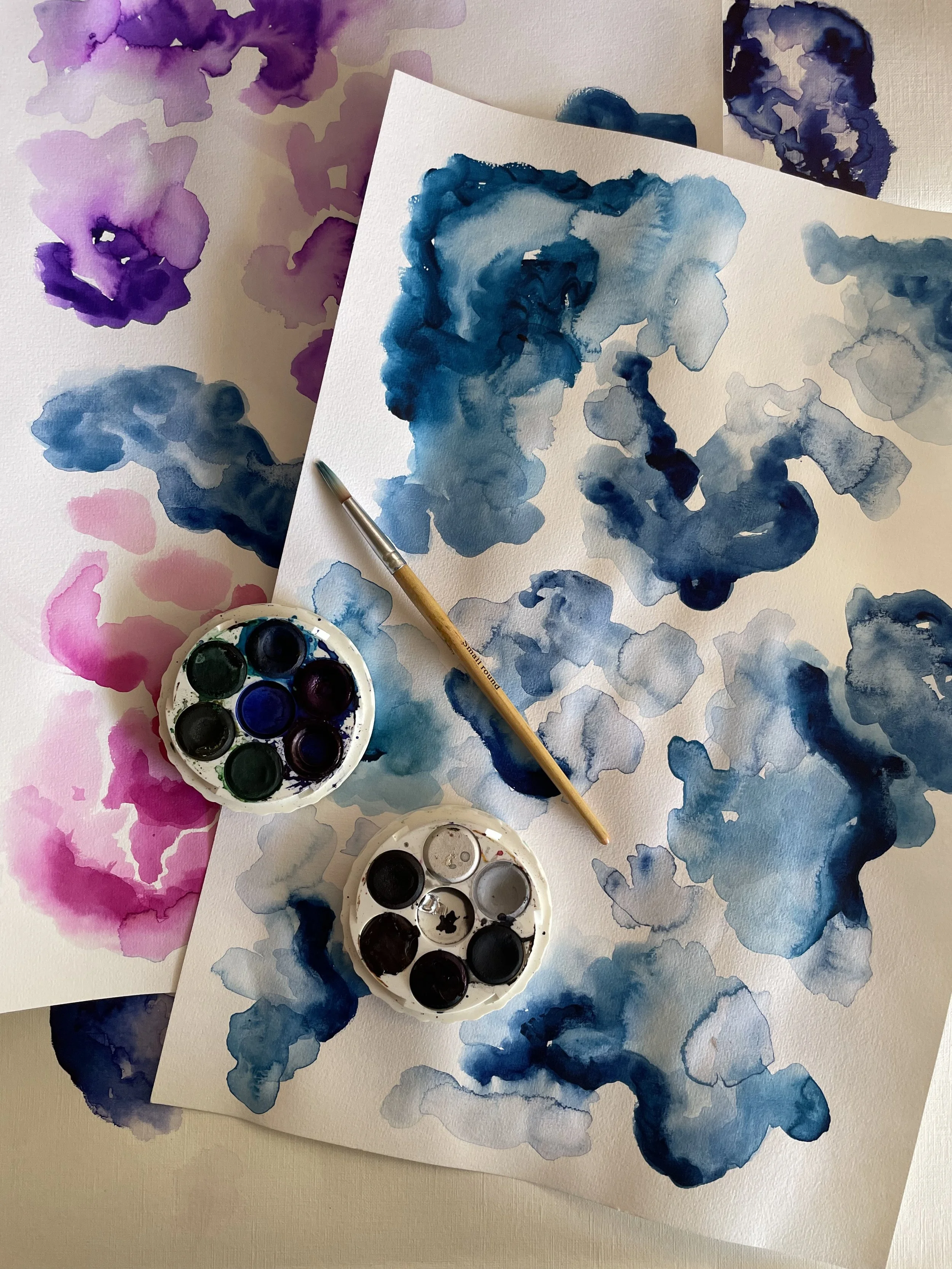
What can expressive therapy help me achieve?
Identify feelings you may struggle to name
Express complex or overwhelming emotions safely
Externalise emotions instead of holding them internally
Ways to tolerate distress and strong emotions
Strategies for grounding, self-soothing and emotional release
Greater awareness of personal patterns and triggers
Exploration of identity, values and lived experience
Understanding how past experiences influence the present
Safe ways to process experiences without re-traumatisation
How to work with the body, memory and emotions together
Increased capacity to stay present while exploring difficult material